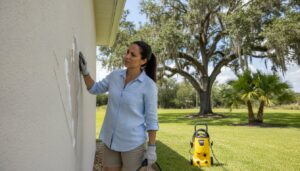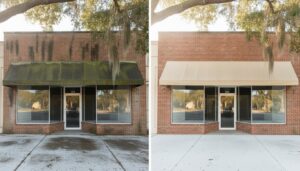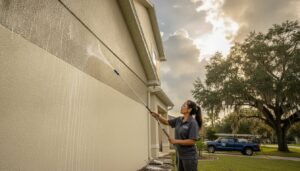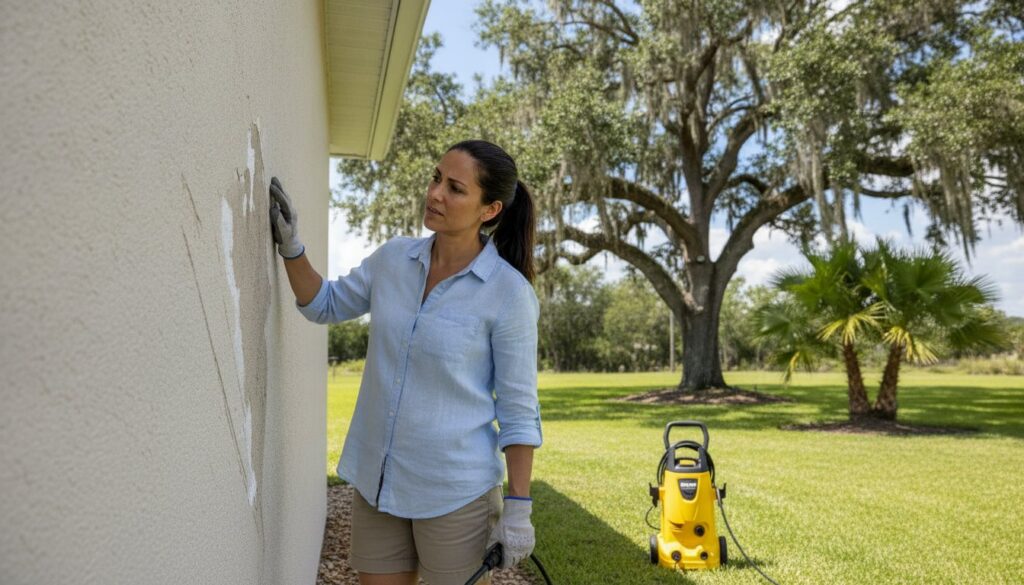
What if the very tool you’re using to boost your home’s curb appeal is actually silently destroying its structure? Many Ocala homeowners reach for a high-powered rental unit to blast away grime, only to realize too late that the visible damage from high pressure washing can cost thousands in unexpected repairs. From etched concrete and stripped paint to water intrusion behind your siding, the brute force of traditional power washing often does more harm than good. This is especially critical now that Marion County is under a Phase III Extreme Water Shortage Order as of May 2026, which limits pressure washing to necessary health and safety purposes like mold removal.
We understand that you take pride in your property and want to keep it looking pristine. It’s frustrating to see organic growth build up, but you shouldn’t have to risk your home’s integrity to fix it. This article will help you discover the hidden risks of high-pressure cleaning and teach you how to protect your property using safe, professional alternatives. We’ll break down which surfaces are at high risk, how to identify professional-grade safety, and why choosing the right method is the only way to protect your home warranty and long-term value.
Key Takeaways
- Learn why modern building materials like asphalt shingles and delicate stucco are particularly susceptible to mechanical erosion from high PSI.
- Understand the physics of water intrusion and how excessive pressure can trap moisture behind your siding, which often leads to costly secondary mold growth.
- Discover why soft washing is the safe, industry-standard alternative for maintaining your home’s exterior without risking its structural integrity.
- Identify the common pitfalls of DIY rental machines and how professional-grade equipment prevents permanent damage from high pressure washing.
- Gain the knowledge needed to protect your home warranty while restoring your property’s curb appeal through safe, expert-led cleaning methods.
What is High Pressure Damage? Understanding the Risks in 2026
When most people think of cleaning their home’s exterior, they imagine that higher pressure equals a deeper clean. However, What is High Pressure Damage? essentially describes the mechanical erosion of a surface caused by excessive pounds per square inch (PSI). It isn’t just about washing away dirt; it’s about the physical degradation of the materials that protect your home. In 2026, this is more relevant than ever because modern building materials are often thinner and more decorative than the heavy duty wood or thick masonry used in decades past. While these materials look beautiful, they lack the structural density to withstand the brute force of a high-velocity water stream.
Homeowners must distinguish between aesthetic issues and structural failures. Aesthetic damage might involve stripping a layer of paint or stain, which is frustrating but fixable. Structural damage is far more serious. This includes cracking the watertight seals around windows or compromising the integrity of your siding. Once these barriers are broken, the damage from high pressure washing moves from the surface into the very bones of your house. It’s a high price to pay for a task that was meant to improve your property’s value.
To understand safe cleaning, you have to look at the relationship between PSI and GPM (Gallons Per Minute). While PSI provides the “punch” to break surface tension, GPM provides the “rinse” that actually carries the debris away. Professional grade equipment focuses on higher GPM to clean efficiently without needing dangerous levels of PSI. Relying solely on pressure is like trying to wash a delicate glass with a sledgehammer; it might get the job done, but the object won’t survive the process. For more tips on maintaining your property safely, you can explore our blog.
The Immediate Impact of Excessive PSI
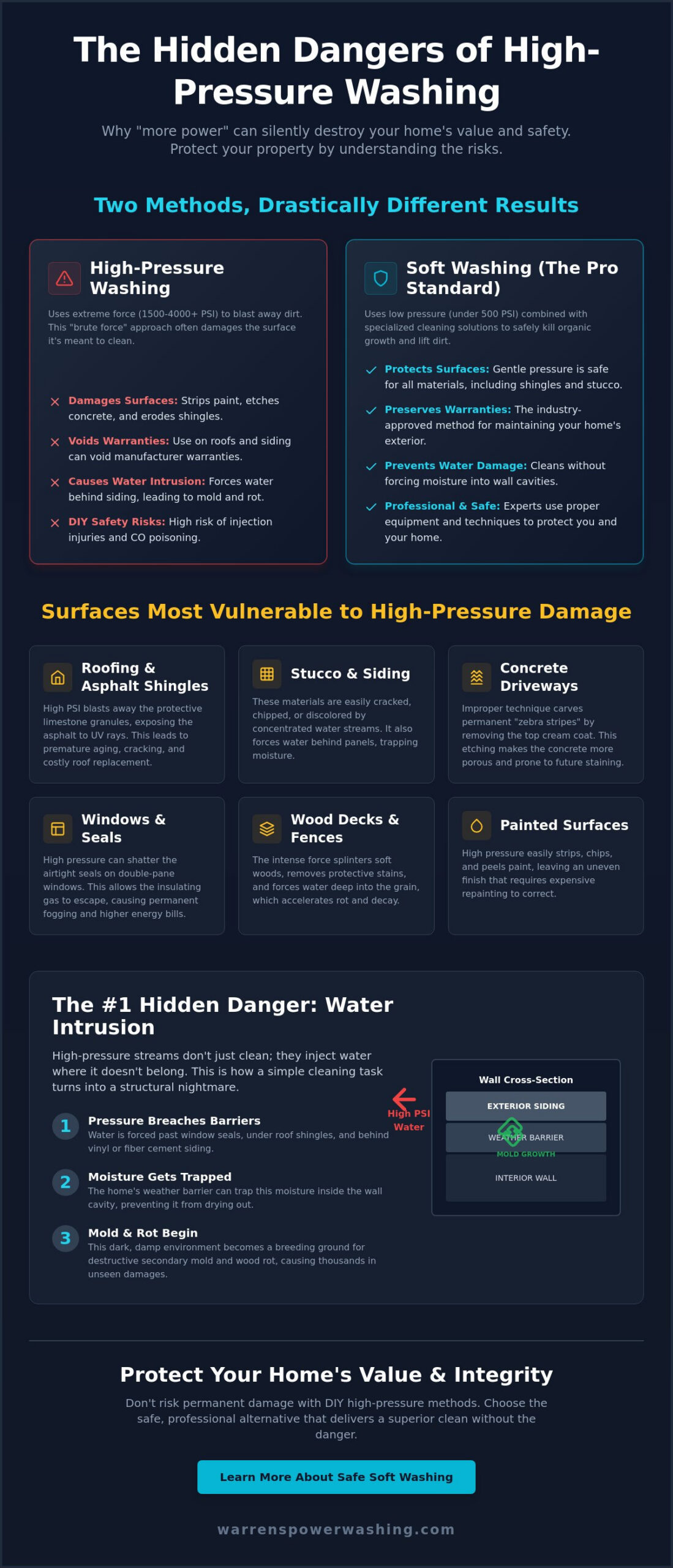
The most visible sign of trouble is often concrete etching. This occurs when a high-pressure nozzle is held too close to a driveway or walkway, carving permanent “zebra stripes” into the stone. These marks aren’t just ugly; they’ve removed the cream coat of the concrete, making it permanently more porous. Additionally, high-pressure streams can easily shatter the seals on double-pane windows. When these seals fail, the insulating gas escapes, leading to foggy glass and higher energy bills in the Ocala heat. Using “more power” usually results in a shorter lifespan for your home’s exterior surfaces.
Physical Safety Hazards for DIY Operators
The risks aren’t limited to your property; they extend to your physical safety. The CDC has issued clear warnings regarding high-pressure injection injuries, which occur when water is forced through the skin and into the underlying tissue. A high-pressure injection injury is a medical emergency requiring immediate surgery. Furthermore, many gasoline-powered rental units emit carbon monoxide. Using these machines in partially enclosed areas, like a typical Florida lanai, can quickly lead to dangerous fumes building up. Professional operators use specific staffing models to ensure both the technician and the homeowner remain safe during the entire process.
Surfaces Most Vulnerable to Damage from High Pressure Washing
Not all parts of your home are built to withstand the same level of force. While a concrete driveway might handle a standard cleaning, many materials used in Ocala homes are surprisingly delicate. The damage from high pressure washing isn’t always obvious immediately. Sometimes it starts as “invisible” micro-fissures or the removal of protective coatings that only show up months later when your energy bills spike or mold begins to bloom. Perhaps most importantly, using high pressure on specific materials can completely void manufacturer warranties, leaving you to pay for a full replacement out of pocket if the material fails prematurely.
Understanding which surfaces are at risk is the first step in protecting your investment. High PSI can turn a routine maintenance task into a structural nightmare if applied to the wrong area. Before you start a DIY project, consider how these common materials react to intense water pressure.
Roofing and Asphalt Shingles
Shingles in Florida face intense UV radiation every day. They rely on a layer of limestone-based granules to reflect heat and protect the asphalt underneath from drying out. Blasting these with high pressure strips those granules away, leading to rapid UV failure and a brittle roof. Even worse, the force can lift shingle tabs, driving water directly into the wooden underlayment where it can’t escape. This is why Power Washing a Roof: Why It’s a Bad Idea is a concept every homeowner should take seriously to avoid a total roof replacement.
Wood Decks and Fencing
Wood is an organic material with fibers that act like a bundle of straws. High pressure causes “furring,” where the water splinters these fibers and leaves the surface feeling like a giant piece of sandpaper. Pressure-treated wood, which is common in our community, is particularly susceptible to deep-tissue gouging. Once you’ve “blasted” the wood with a rental machine, it becomes nearly impossible to get a smooth, even finish with stain or sealer later on. Understanding the technical side of Soft Wash vs. Pressure Wash is essential before you touch any wooden structure on your property.
Vinyl Siding and Stucco
Vinyl siding often develops a chalky layer of oxidation over time. High pressure doesn’t remove this evenly; instead, it creates permanent, splotchy streaks that ruin your curb appeal. There’s also the risk of blowing out the “weep holes” designed to let moisture escape from behind the panels. Stucco and EIFS (Exterior Insulation and Finish Systems) are even more fragile. These materials are essentially thin shells over foam or masonry. A single pass with a high-PSI nozzle can punch holes through the surface or create cracks that invite rot into your walls. If you’re unsure about your home’s exterior needs, a professional Residential Exterior Cleaning assessment can help you avoid these costly mistakes.
The Hidden Danger: Water Intrusion and Secondary Mold Growth
The most terrifying aspect of cleaning your home with excessive force isn’t the visible marks on your driveway. It’s the water you can’t see. Most residential exteriors are designed to shed water that falls vertically, like rain. However, the physics changes completely when you introduce a stream at 3000+ PSI. This extreme force can drive water upward and behind siding panels or through window seals that were never meant to withstand such pressure. This is a primary source of damage from high pressure washing that many homeowners overlook until it becomes a structural emergency.
When water is forced behind your siding, it creates a “behind-the-siding” trap. In many Ocala homes, this moisture becomes trapped against the wooden sheathing or within the wall cavity. Unlike a typical rainstorm, where moisture evaporates quickly, water injected by a pressure washer sits in a dark, stagnant environment. Similarly, spraying high-pressure water near your roofline often forces liquid through soffit vents and directly into your attic insulation. Saturated insulation loses its ability to regulate your home’s temperature and becomes a perfect breeding ground for fungal growth. This hidden moisture is often the direct cause of sudden, unexplained indoor mold blooms.
Compromising the Building Envelope
The building envelope is your home’s first line of defense against the elements. It includes everything from your siding and roof to the caulking around your doors. High pressure is this envelope’s primary enemy because it can easily shred weatherstripping and blast away the flexible sealants that keep your interior dry. Water intrusion from pressure washing often goes unnoticed for months until structural rot begins. By the time you see a soft spot in the drywall or smell a musty odor indoors, the repair costs have already skyrocketed.
The Florida Humidity Factor
In Ocala, our high humidity levels make trapped moisture even more dangerous. Without proper airflow, water behind a wall won’t dry on its own; it will simply fester. This creates a direct link between improper cleaning and the sudden appearance of indoor mold. Instead of using raw power, professional soft washing focuses on neutralizing spores with specialized detergents. This method ensures your home stays clean without compromising the air quality inside. For more tips on keeping your property safe and healthy, you can visit the Warrens Power Washing blog. We believe in educating our community so you can make the best decisions for your long-term investment.
Soft Washing: The Safe Alternative to High Pressure
Soft washing is the sophisticated evolution of exterior maintenance. Unlike traditional methods that rely on mechanical force, soft washing uses a low-pressure delivery system, typically under 100 PSI, combined with specialized detergents. This approach shifts the focus from “blasting” a surface to truly “cleaning” it. By 2026, soft washing has become the industry standard for roofs and siding because it eliminates the risk of damage from high pressure washing while providing a more thorough, long-lasting result. It’s the difference between using a fire hose to wash a window and using a gentle spray with the right soap.
The “blasting” method often only addresses the surface layer of grime, frequently leaving behind the spores and roots of organic growth. In contrast, the “cleaning” method utilized in soft washing treats the exterior of your home like a delicate surface that requires care. At Warrens Power Washing, we utilize biodegradable, non-toxic products that are specifically formulated to break down dirt and kill biological contaminants without the need for destructive force. This method protects your home’s structural integrity while restoring the pride you feel in your property’s appearance.
How Soft Washing Works
The secret to this method lies in the chemistry of cleaning. Instead of trying to rip algae, mold, and lichen off your siding with water pressure, our specialized detergents kill these organisms at the root. This biological treatment is much more effective than mechanical removal. Because the solution neutralizes the organic growth entirely, the results typically last 2 to 3 times longer than high-pressure blasting. You won’t see the “zebra stripes” or splotches often associated with DIY attempts. For a deeper dive into these technical differences, read our guide on Soft Wash vs. Pressure Cleaning: What’s the Difference?.
Eco-Friendly and Safe Solutions
We understand that your home is more than just a building; it’s where your family and pets live. That’s why we prioritize the use of non-toxic, eco-friendly products. Our professional teams are trained to protect your landscaping and plants throughout the process, using pre-wetting and rinsing techniques to ensure your garden remains healthy. We rely on the “dwell time” concept, which means we let the detergents do the heavy lifting. By allowing the solution to sit and work on the contaminants, we achieve a pristine finish with a gentle rinse. This method is not only safer for your home but also more efficient, aligning perfectly with the water conservation goals of our Ocala community. If you want to protect your investment and the environment, schedule your Residential Exterior Cleaning with our expert team today.
Why Professional Expertise Beats DIY Rentals in Ocala
The temptation to pick up a rental machine for a weekend project is high, especially with daily rates at local hardware stores ranging from $75 to $107 in 2026. However, there’s a massive gap between these consumer-grade units and the commercial equipment used by specialized teams. Most rental machines rely on a high-velocity stream and “one-size-fits-all” nozzles that concentrate force into a tiny, destructive point. This lack of precision is the primary driver of damage from high pressure washing in our community. Without the ability to fine-tune the flow for different materials, a DIY operator can easily etch stone or shred siding before they even realize there’s a problem.
Warrens Power Washing takes a different approach. As a community-focused partner, we understand that Ocala homes face unique challenges, from intense humidity to the strict Phase III Extreme Water Shortage Order enacted in May 2026. Our professional-grade systems allow us to prioritize high water volume (GPM) over raw pressure (PSI), ensuring a thorough clean that remains compliant with local regulations. Beyond the equipment, the value of being fully insured and licensed in Marion County cannot be overstated. It provides you with total peace of mind, knowing that your property is in the hands of established experts who stand behind every job with a satisfaction guarantee.
The True Cost of DIY Mistakes
It’s easy to view a $100 rental as a way to save money, but the “hidden costs” of a single mistake can be devastating. Replacing a section of damaged asphalt shingles or repairing blown-out vinyl siding can quickly turn a cheap project into a multi-thousand-dollar repair bill. Professional cleaning isn’t just an expense; it’s a strategic investment in your property’s value and curb appeal. Our goal is to restore a property owner’s pride by using safe, meticulous techniques that protect your home’s integrity for years to come.
Ready to Protect Your Ocala Home?
We’ve explored the hidden risks of mechanical erosion, the dangers of water intrusion, and why soft washing is the industry standard for safety in 2026. Protecting your home requires a balance of the right chemistry, professional-grade equipment, and local expertise. Don’t risk the long-term health of your building envelope with high-pressure tactics that cause more harm than good. Get your free, safe house washing quote from Warrens Power Washing today and discover the difference that safe soft wash techniques can make for your property. We’re here to be your dependable partner in property maintenance, ensuring your investment stays beautiful and structurally sound.
Secure Your Home’s Future with Professional Care
Your home is one of your most significant investments. Protecting it requires moving beyond the “brute force” methods of the past. By choosing specialized soft wash techniques, you ensure that your roof, siding, and deck remain pristine without the risk of structural compromise. We’ve seen how easily high-velocity water can lead to hidden rot and voided warranties. Avoiding the damage from high pressure washing isn’t just about aesthetics; it’s about maintaining the long-term integrity of your building envelope in Ocala’s unique climate.
Our team of fully licensed and insured Marion County experts is ready to help you restore your property’s curb appeal safely. We use non-toxic, biodegradable cleaning products that are effective against mold but gentle on your family and landscaping. You don’t have to settle for the risks of DIY rentals when professional reliability is just a click away. Protect your home with a safe Soft Wash quote from Warren’s Power Washing. Take the first step toward a cleaner, safer home today.
Frequently Asked Questions
Can pressure washing cause leaks in my home?
Yes, high-pressure water can cause leaks by forcing liquid through window seals, door frames, and attic vents. Unlike rain, which falls vertically, a pressurized stream can enter your home from any angle. This often leads to hidden moisture behind walls or saturated insulation. If you notice damp spots on your drywall after a cleaning, you may have experienced damage from high pressure washing that requires immediate attention.
Is it safe to pressure wash vinyl siding myself?
While it’s possible to do it yourself, it’s generally not recommended for most homeowners. High-PSI rental units can easily crack vinyl panels or trap water behind the siding through the weep holes. You also risk creating permanent splotches by unevenly removing the chalky oxidation layer. Professional soft washing is a much safer way to restore your siding without the risk of expensive structural repairs.
Will high pressure washing damage my roof warranty?
Yes, using high pressure on your roof will likely void your manufacturer’s warranty. Most shingle companies specifically mandate low-pressure chemical cleaning for mold and algae removal. Blasting the surface strips away the protective limestone granules that reflect UV rays. Once these granules are gone, your shingles will become brittle and fail much faster than they should in the Florida sun.
What is the difference between power washing and soft washing?
The primary difference is the amount of force used and the reliance on cleaning solutions. Power washing uses high-pressure water to blast away dirt mechanically, which can be dangerous for delicate surfaces. Soft washing uses a low-pressure system, typically under 100 PSI, combined with specialized detergents to kill organic growth at the root. This method is safer for roofs and siding while providing longer-lasting results.
How do I know if my siding has been damaged by a pressure washer?
You can identify damage by looking for physical changes like cracks, holes, or “furry” wood textures. On vinyl siding, look for uneven streaks where the oxidation was stripped away in patches. You should also check for water stains on interior walls or a musty smell that appears shortly after cleaning. These are all common signs that your property has suffered damage from high pressure washing.
Can I use a pressure washer on my wooden deck?
You should avoid using high pressure on wooden decks because it destroys the natural wood fibers. This creates a “furring” effect where the wood becomes splintered and rough to the touch. It also forces water deep into the grain, which can lead to rot and make it impossible to apply a smooth coat of stain or sealer later. A gentle chemical treatment is much more effective for preserving wood.
Why is soft washing better for Florida homes?
Soft washing is superior for Florida homes because it addresses the biological nature of our humidity-driven grime. Mold, algae, and lichen thrive in Ocala, and simply blasting them with water doesn’t kill the spores. Soft washing uses biodegradable detergents to neutralize these organisms at the root. This prevents them from growing back quickly and keeps your home cleaner for much longer than traditional methods.
What should I do if a pressure washer has etched my concrete driveway?
Etching is unfortunately a permanent physical change to the concrete surface. When a high-pressure stream removes the top “cream” layer of the concrete, it leaves behind visible “zebra stripes” or gouges. While you can’t undo the etching, professional concrete sealing can sometimes help even out the appearance. Sealing also protects the now-porous surface from further degradation, staining, and moisture absorption.